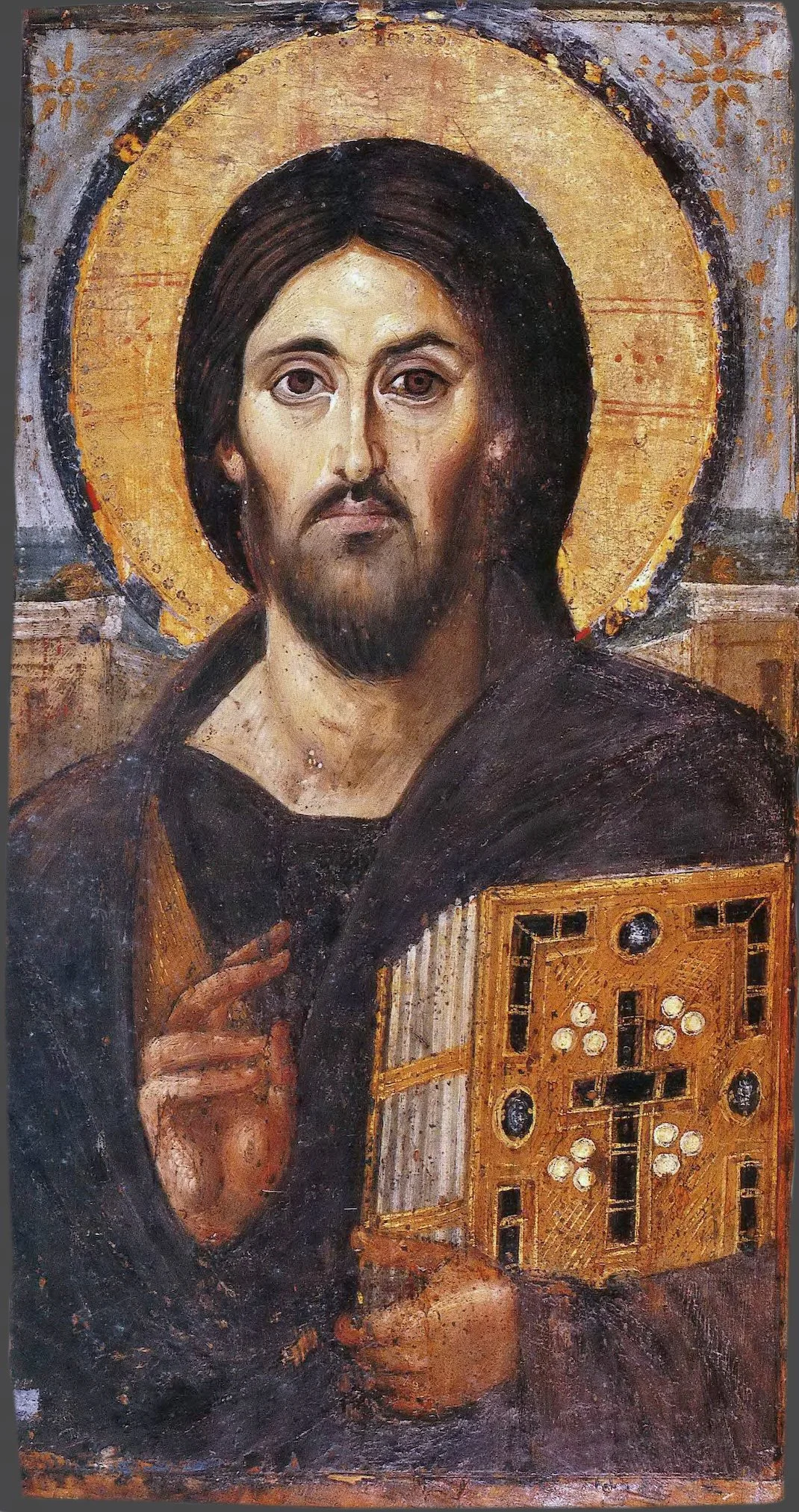
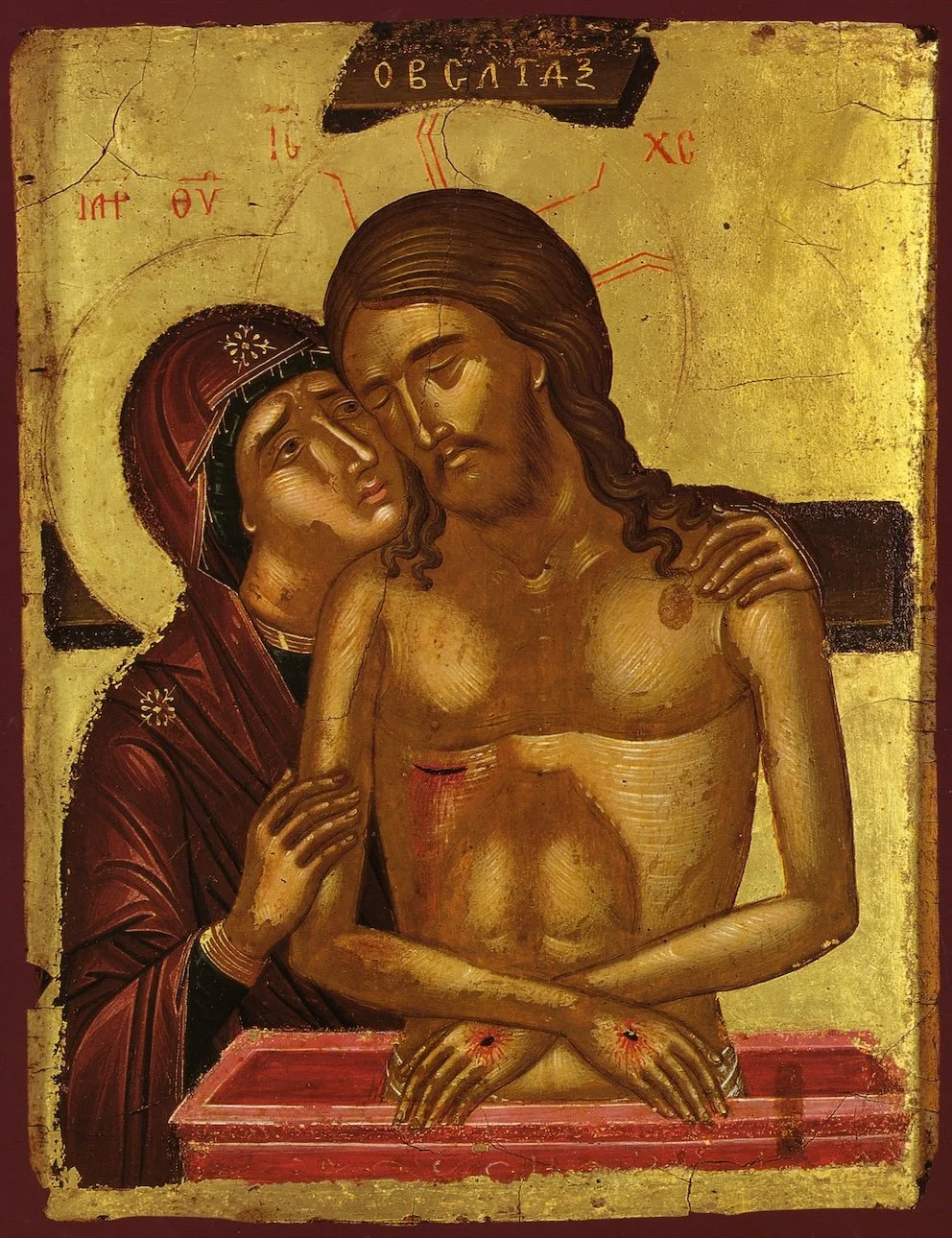
Jesus Christ
Jesus Christ: The Word Made Flesh
The central message of the Christian faith is the loving act of God becoming human. It is the belief that the Creator’s union with His creation was always part of the eternal plan, achieved through the single person of Jesus of Nazareth—the Messiah foretold by the prophets.
I. The Eternal Word (Logos)
The Gospel of John opens with a profound declaration: "In the beginning was the Word, and the Word was with God, and the Word was God" (John 1:1).
The Creator: Jesus is not merely a moral teacher; He is the eternal Logos (Word/Reason) of God. He is the one through whom all things were made.
Light of Light: As the Creed affirms, He is "Light of Light." Just as light is continuously generated by the sun yet is inseparable from it, the Son is eternally generated by the Father. He is the "true Light, which lighteth every man that cometh into the world."
II. The Son of God
When Peter confessed, "Thou art the Christ, the Son of the living God" (Matt 16:16), he identified Jesus' true nature. But what does "Son of God" mean?
Shared Nature: In the natural world, offspring always share the nature of the parent (a human gives birth to a human, a bird to a bird). Thus, to call Jesus the "Son of God" is to say He is God in exactly the same way the Father is God.
Equality: The term denotes equality of status. They are not two separate deities of different rank; they share one and the same divinity ("I and the Father are one" — John 10:30).
Eternal Generation: This sonship has nothing to do with biological reproduction. It is an eternal reality. He is "begotten of the Father before all ages." There was never a time when the Son did not exist.
One Essence (Homoousios): He is "begotten, not made." Unlike creatures who were made ex nihilo (out of nothing), the Son is of the very essence of the Father.
III. The Mystery of the Incarnation
The fundamental miracle of Christianity is that "The Word was made flesh and tabernacled among us" (John 1:14).
One Person, Two Natures: The Church teaches that Jesus is True God and True Man.
Without Change: He did not cease to be God, nor did His divine nature change into a human one.
Without Confusion: He is not a "demigod" (half-God, half-man).
The Union: The Word of God, remaining exactly as He was in His divinity, took on a complete human nature (body, soul, will).
Why is this important? If Jesus were only God, He could not represent us. If He were only man, He could not save us. He must belong fully to both categories to bridge the gap. He is the "New Adam" who unites the created and the uncreated.
IV. Jesus the Savior
The name Jesus (Hebrew Yeshua) literally means "God Saves." His mission was not to condemn the world, but to heal and transform it.
Undoing the Fall: The cause of the Fall was disobedience and separation from the source of Life. Jesus, as the New Adam, heals this through absolute obedience.
The Cross: He voluntarily took upon Himself the consequences of sin—suffering and death. By dying as a man while being God, He filled death with Life, destroying it from the inside.
The Resurrection: "Death could not hold Him." His resurrection is not just a personal victory but the opening of the door to eternal life for all humanity. As the Paschal hymn proclaims: "Christ is risen from the dead, trampling down death by death, and to those in the tombs bestowing life."
Conclusion: Partakers of Divine Nature
The ultimate purpose of Christ's coming—His Incarnation, death, and resurrection—is to make human beings "partakers of the divine nature" (2 Peter 1:4). God became what we are, so that we might become what He is.