Akathist to the Mother of God
The Akathist Hymn: A Masterpiece of Devotion
The Akathist Hymn is a profound, ancient devotional poem and chant dedicated to the praise of the Holy Mother of God (Theotokos). Chanted in Orthodox churches worldwide during the first five Fridays of Great Lent, it serves as an essential spiritual preparation for the solemnity of Holy Week and the joy of Easter.
Meaning of the Name
The word Akathistos is Greek for "not seated". It derives from the posture assumed during the hymn’s most famous historical recitation, where the faithful stood in a night-long vigil of thanksgiving, refusing to sit out of profound reverence and gratitude.
The Miracle of 626 AD
While devotional hymns to the Theotokos have existed since the earliest days of the Christian Church, the Akathist Hymn in its current form was cemented by a miraculous historical event in the 7th century.
The Siege: In 626 AD, while the Byzantine Emperor Heraclius was away on a military expedition, Constantinople was besieged by overwhelming hordes of Avars. The city was vastly outnumbered and facing desperation.
The Procession: Patriarch Sergius and the city official Vonos led a procession along the great walls of the capital, carrying an icon of the Theotokos to bolster the defenders' faith and seek divine intercession.
The Deliverance: According to historical chronicles, a sudden, fierce storm and huge tidal waves unexpectedly destroyed the enemy fleet, forcing a full retreat and saving the "Queen City."
The Thanksgiving at Vlachernae
In spontaneous gratitude for their miraculous deliverance, the people of Constantinople flocked to the Church of the Theotokos at Vlachernae (on the Golden Horn). Led by Patriarch Sergius, they spent the entire night standing and singing praises to the Virgin Mary.
It was at this momentous gathering that the famous opening Kontakion was added to the already existing hymn, transforming it into the Akathist we know today:
"To the Invincible Champion... we ascribe the victory."
Spiritual and Theological Significance
The Crystal Vessel: The hymn honours Mary as the most exalted person by God and the most revered by humanity. She is recognised as the "Crystal Vessel" of the Holy Spirit's grace because of her unique role in the Lord's Incarnation.
A Living Tradition: The Akathist Hymn has been chanted continuously in the Orthodox Church since its official acceptance in 626 AD. It beautifully links modern believers directly to a glorious period of Christian history.
A Spiritual Bulwark: Just as it was sung to seek protection from physical besiegement in ancient times, the Church continues to use the service today as a spiritual shield to withstand and overcome the forces of evil in modern, trying times.
Universal Recognition
Though firmly rooted in the Eastern Orthodox tradition, the Akathist Hymn is recognised as a liturgical and literary masterpiece far beyond the East. In 1746, Pope Benedict XIV granted an indulgence to Roman Catholics for its recitation, and when it was translated into English in London in 1934, Western scholars praised it, noting that the Christian West should be apologetic for its historical neglect of such a masterpiece.
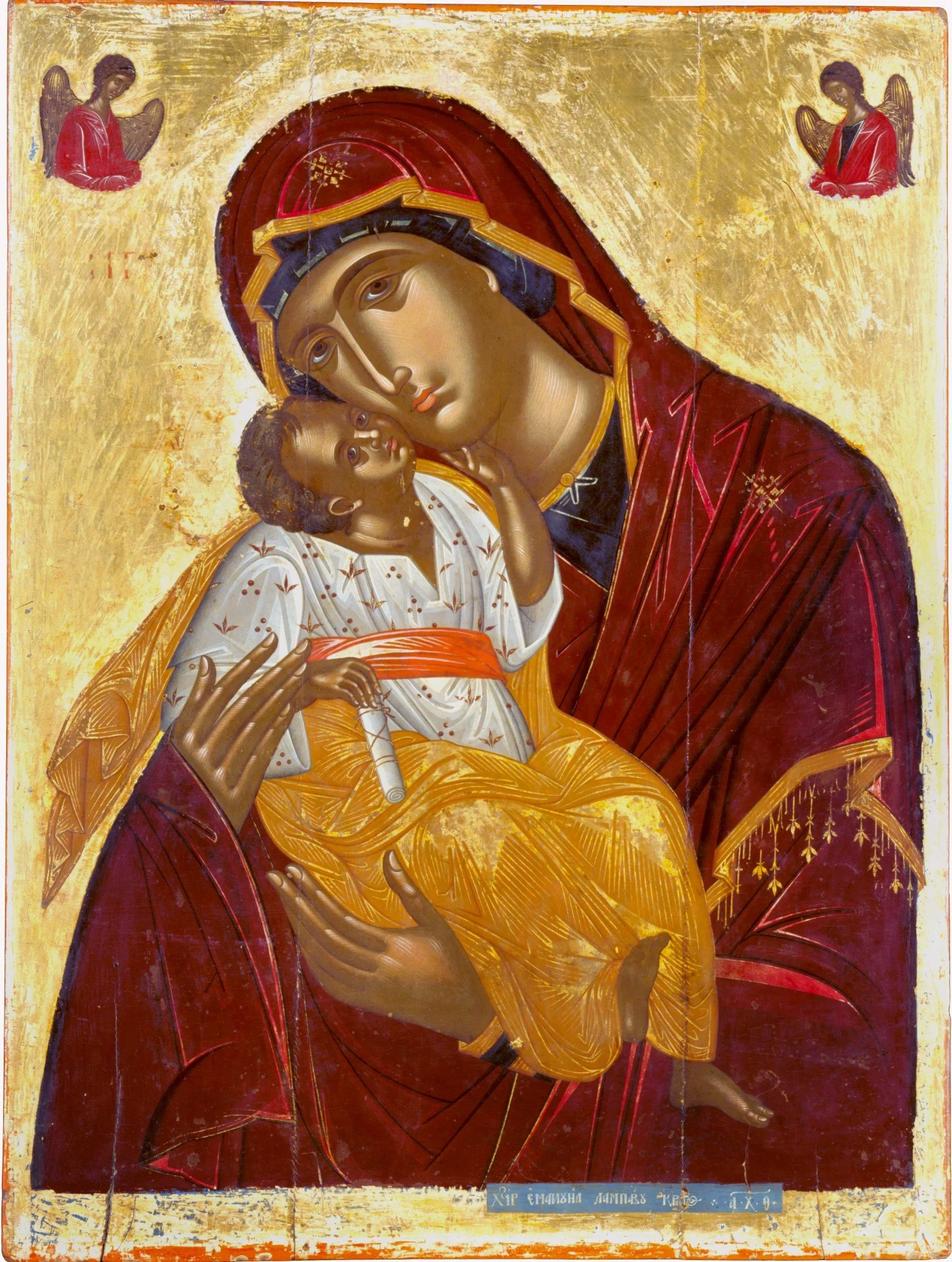
GLYKOPHILOUSA FROM BENAKI MUSEUM OF ATHENS (click for link)
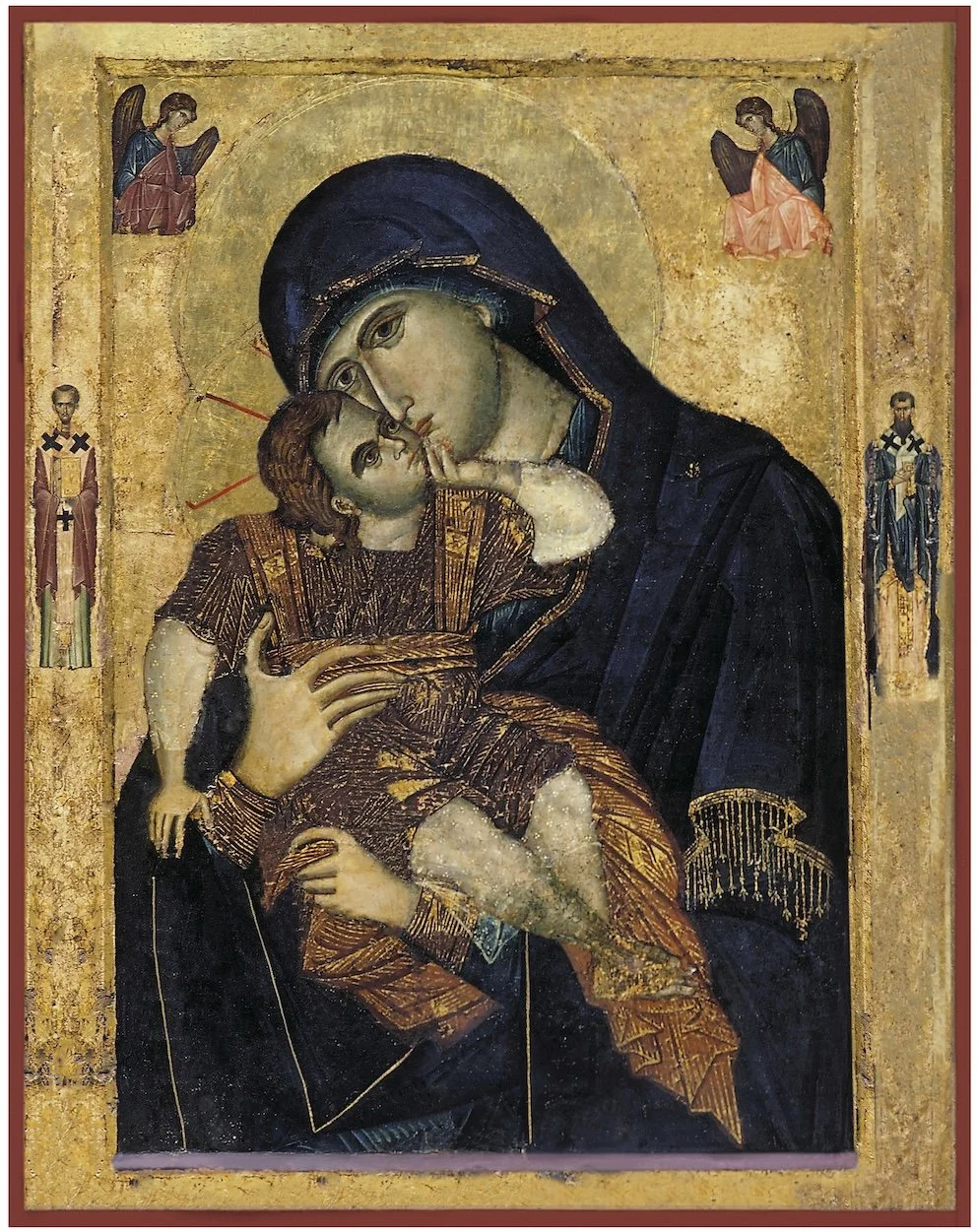
GLYKOPHILOUSA PHILOTHEU (click for link)