Sundays of the Triodion
Sunday Bulletins
(Please click on underlined years to see “Word of our Lord” bulletins)
Pre-Lenten Preparation (Beginning of the Triodion)
Sunday of the Publican and the Pharisee: (Luke 18:10-14)
2020 2021 2022 2023 2024 2025 2026 2027 2028 2029 2030
Sunday of the Prodigal Son: (Luke 15:11-32)
2020 2021 2022 2023 2024 2025 2026 2027 2028 2029 2030
Meatfare Sunday (Sunday of the Last Judgment): (Matthew 25:31-46)
2020 2021 2022 2023 2024 2025 2026 2027 2028 2029 2030
Cheesefare Sunday (Forgiveness Sunday): (Matthew 6:14-21)
2020 2021 2022 2023 2024 2025 2026 2027 2028 2029 2030
The Sundays of Great Lent
1st Sunday of Lent (Sunday of Orthodoxy): (John 1:43-51)
2020 2021 2022 2023 2024 2025 2026 2027 2028 2029 2030
2nd Sunday of Lent (St. Gregory Palamas): Healing of the Paralytic (Mark 2:1-12).
2020 2021 2022 2023 2024 2025 2026 2027 2028 2029 2030
3rd Sunday of Lent (Veneration of the Holy Cross): Take Up Your Cross (Mark 8:34–9:1)
2020 2021 2022 2023 2024 2025 2026 2027 2028 2029 2030
4th Sunday of Lent (St. John Climacus): Healing of the Boy with a Dumb Spirit (Mark 9:17–31)
2020 2021 2022 2023 2024 2025 2026 2027 2028 2029 2030
5th Sunday of Lent (St. Mary of Egypt): Request of James and John (Mark 10:32–45)
Life of St Mary 2020 2021 2022 2023 2024 2025 2026 2027 2028 2029 2030
Palm Sunday (The Triumphal Entry into Jerusalem)
Palm Sunday: (John 12:1-18)
The Triodion is a beautiful and deeply spiritual ten-week period in the Orthodox Church that guides the faithful through preparation, fasting, and repentance leading up to Holy Week and Pascha (Easter). The book used for the church services during this time is also called the Triodion.
The Sundays of the Triodion are divided into two main phases: the Pre-Lenten Preparation and the Sundays of Great Lent, culminating in Palm Sunday.
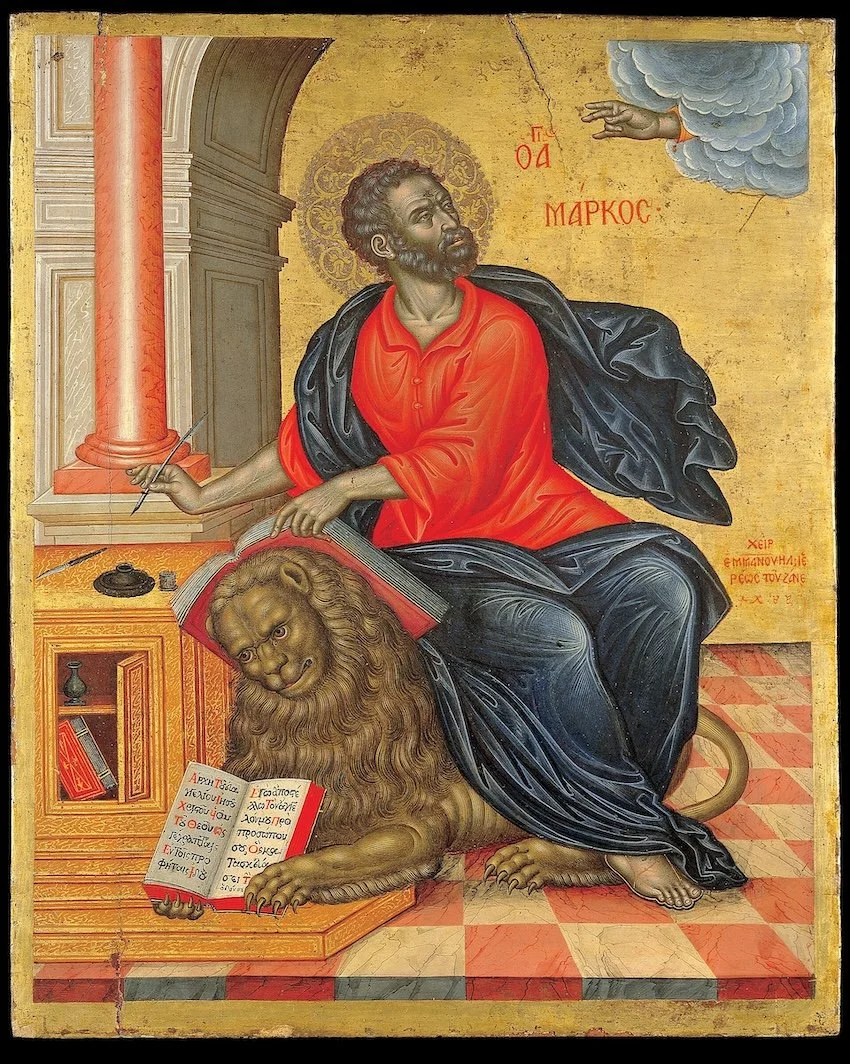
Unlike St. Matthew and St. Luke, there is no continuous "Season of St. Mark" in the Orthodox Sunday lectionary. You will not typically see a "1st Sunday of Mark" or "5th Sunday of Mark" listed in the calendar. Instead, the Gospel of Mark is read primarily during the Sundays of Great Lent.
Here is a complete summary of all the Sundays of the Triodion in order.
Phase 1: The Pre-Lenten Preparation
These four Sundays ease the faithful into the discipline of the fast, setting the spiritual and psychological themes necessary for a fruitful Lent.
1st Sunday: The Publican and the Pharisee * Reading: Luke 18:10-14
Theme: Humility is the foundation of repentance. We are called to reject the self-righteous pride of the Pharisee and imitate the humble, chest-beating repentance of the Publican. (Fasting is strictly forbidden during the following week to avoid the Pharisee's pride).
2nd Sunday: The Prodigal Son
Reading: Luke 15:11-32
Theme: Exile and return. It reminds us that sin is a self-imposed exile from God, but the Father is always waiting with open arms to receive us when we repent and return home.
3rd Sunday: Meatfare Sunday (The Last Judgment)
Reading: Matthew 25:31-46
Theme: Love and active charity. We are reminded that Christ will judge us based on how we treated the "least of these" (the hungry, thirsty, naked, and imprisoned). This is the final day the faithful consume meat before Pascha.
4th Sunday: Cheesefare Sunday (Forgiveness Sunday)
Reading: Matthew 6:14-21
Theme: Forgiveness and fasting. The Gospel teaches that we cannot be forgiven by God if we do not forgive each other. In the evening, the beautiful "Forgiveness Vespers" is held. This is the last day dairy is consumed.
Phase 2: The Sundays of Great Lent
Once Great Lent officially begins on Clean Monday, the following five Sundays focus on the triumph of faith, the power of the Cross, and models of extreme asceticism and repentance.
1st Sunday of Lent: The Sunday of Orthodoxy
Reading: John 1:43-51
Theme: The restoration of the Holy Icons (celebrated historically in 843 AD). It celebrates the incarnation of Christ—because He became physical flesh, He can be depicted visually.
2nd Sunday of Lent: St. Gregory Palamas
Reading: Mark 2:1-12 (Healing of the Paralytic)
Theme: The power of unceasing prayer and the belief that humans can directly experience the uncreated light and grace of God, a theology powerfully defended by St. Gregory.
3rd Sunday of Lent: Veneration of the Holy Cross
Reading: Mark 8:34–9:1
Theme: Encouragement at the midpoint of the fast. The Cross is brought out in a bed of flowers to refresh and strengthen the faithful for the remainder of the Lenten struggle, reminding us of the Resurrection to come.
4th Sunday of Lent: St. John Climacus (of the Ladder)
Reading: Mark 9:17-31 (Healing of the Boy with a Mute Spirit)
Theme: Spiritual discipline. St. John authored "The Ladder of Divine Ascent," a manual on ascetic struggle. The Gospel reminds us that certain demons can only be driven out by "prayer and fasting."
5th Sunday of Lent: St. Mary of Egypt
Reading: Mark 10:32-45
Theme: The ultimate example of repentance. St. Mary transformed from a life of extreme sin to a life of profound holiness in the desert, showing that no amount of sin is greater than God's mercy.
The Culmination
Palm Sunday (The Triumphal Entry)
Reading: John 12:1-18
Theme: Christ enters Jerusalem as a humble King riding a donkey. This joyous feast marks the end of the 40-day Lenten fast and the immediate transition into the solemnity of Holy Week.